

Investing in Heirloom Quality Furniture for Lasting Use
A high price tag doesn’t make furniture heirloom quality. Thoughtful construction and a design you’ll want to live with do. Investing in heirloom quality furniture means looking for sound joinery, durable materials, and a piece that can be maintained and repaired as it ages. The goal is furniture that serves you well for years and may be passed down through generations.
It makes sense to want furniture that feels sturdy and personal, not dated or out of place after a short time. This guide explains what to look for in materials and construction, how wood species and seasonal movement affect a piece, and how upkeep can preserve it. We’ll also explore how custom choices, from a table’s shape and size to its wood and finish, can help lasting furniture feel at home in your space.
Key Takeaways
- Look beyond price: sound joinery, stable construction, and quality materials are better signs of lasting furniture.
- Compare wood species such as oak, cherry, maple, walnut, and pine for their appearance and characteristics.
- Account for seasonal wood movement when choosing a tabletop style, since it varies with species and location.
- Choose a timeless design and a size that suits your room, so the piece remains useful as your home changes.
- Regular care and appropriate repairs can help solid-wood furniture age gracefully and stay in use.
1. Heirloom Quality Furniture: What Makes It Different?
Heirloom furniture is made for long use, repair, and the possibility of being passed down. A solid wood dining table makes the point clearly: its frame, joints, top, and base all need to handle daily meals, family gatherings, and years of ordinary wear. Lasting value comes from the complete piece, not just a polished surface or a high price.
Start with the structure. Look beneath a dining table for secure connections between its legs, apron, and top, then check that it sits level and feels sturdy. Joinery should fit closely, without visible gaps or wobble. Examine how the top attaches to the base, too. Solid wood responds to changes in moisture, so sound construction allows the wood to move rather than forcing it rigidly into place. Good craftsmanship accounts for that movement.
Drawers, doors, and upholstery can also reveal how a piece is made. Open and close a drawer to see whether it moves smoothly and stays aligned; inspect its corners and bottom for solid construction. For an upholstered chair, look at the frame and how the fabric is secured, not just its pattern. The parts people handle most often take regular strain, so these details matter.
Amish furniture is known for careful hardwood selection and construction that isn’t mass-produced. The grain, color, and natural marks differ from board to board, and each maker brings individual skill to the work. Two tables built to a similar design may still look distinct. Ask which wood species is used and how the maker handles the joints, supports, and table base. Clear answers tell you more than a broad claim of “handmade.”
Wood choice shapes both appearance and use. Oak, maple, cherry, walnut, pine, and hickory each have distinct grain and character. Some furniture makers mill their own boards; others source lumber for larger projects. If you’re investing in heirloom quality furniture, ask how the boards are prepared and how seasonal wood movement is accounted for in the design.
Is antique or secondhand furniture a better investment than new? It can be a good way to find solid construction and distinctive character, but age alone doesn’t make a piece a sound buy. Inspect the joints and stability, and look for missing parts or repairs. A well-made new table may suit you better if its size, condition, and construction fit your needs.
Which furniture brands and makers offer heirloom-quality pieces in the United States? Consider Amish furniture makers and independent custom furniture makers, then judge each piece by its materials, joinery, and finish rather than its name alone. A maker who can explain those choices gives you useful details for comparing pieces.
What warranties, return policies, and certifications should I look for? Read written warranty and return terms for coverage, exclusions, and timing, and check what specific material or claim a certification applies to. These documents complement, but don’t replace, a close look at the table’s construction.
2. Furniture durability and longevity
A durable piece earns its place through regular use, not careful handling alone. A dining chair may be pulled across the floor, while a table takes knocks from dishes, homework, and family gatherings. Look for solid connections, stable legs, and surfaces that can be maintained. A sturdy frame matters most where weight and movement meet, such as a chair’s seat rails or a bed’s side supports.
Daily use adds up. A dresser drawer is opened repeatedly, so smooth movement and secure attachment matter as much as appearance. Check that drawers don’t catch or shift out of alignment, and that handles feel firmly fitted. For a dining table, gently press each corner and look for rocking. These simple checks help reveal how well a piece is built for everyday routines.
A bed frame deserves particular attention because it supports the mattress night after night. Check the joints where the rails meet the headboard and footboard, and look for a center support that keeps the frame steady. If the frame creaks or shifts when you move, inspect those connections closely. Comfort also depends on a suitable mattress and a level, stable base. A solid wood frame can be beautiful, but its joinery and support design determine how it performs.
To assess long-term value, compare how often a piece may need replacing, repairing, or refinishing rather than judging it by the initial purchase alone. A hypothetical comparison over twenty years illustrates the idea: repeated replacements add up, while a durable piece spreads its use across more years. The balance depends on construction, everyday use, care, and repairability. Investing in a well-built table or bed makes the most sense when its design fits your home and you expect to keep using it.
Wear also depends on where and how furniture is used. A sofa in the family’s main living room sees more sitting, spills, and movement than one in a rarely used room. Rove Concepts reported an average American sofa age of 6 years. A separate lifetime estimate suggests a person may replace 13 sofas over a lifetime, though individual habits and furniture choices differ.
Use the bed example to assess value in practical terms: a bed frame used 365 nights each year serves a daily purpose, so steady support matters. A person spends a third of their life in bed, making comfort and stability relevant alongside appearance. A budget sofa may show a warped frame or thinning fabric within three years, illustrating why the frame, upholstery, and repair options deserve attention before choosing.
Durability doesn’t mean furniture stays untouched. A natural wood surface can collect marks, and upholstery can show wear. The useful question is whether those parts can be cared for or repaired. Choose a piece that suits your household’s real routines, from lively family meals to quiet evenings, and it can remain useful beyond a short-lived trend.
3. Choosing timeless designs and quality materials
A timeless piece earns its place by fitting your rooms and routines, not by following a passing look. A rectangular dining table, for example, can work with changing chairs, rugs, and wall colors. Simple lines leave room for different decorating choices, while distinctive grain gives the table its own character. That balance can help a beautiful piece feel relevant across generations.
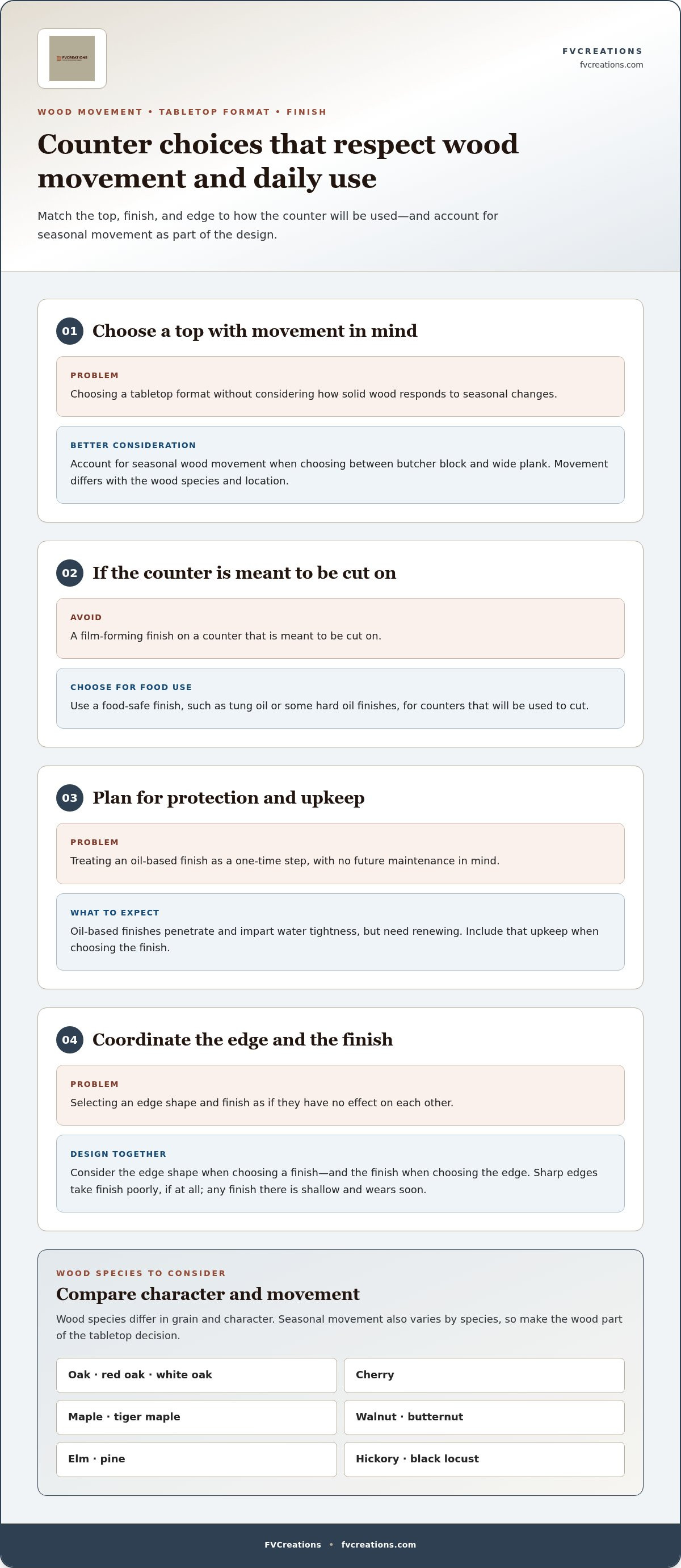
Wood species shape a table’s color, grain, and response to its surroundings. Cherry deepens in color as it ages, while tiger maple has a striking figured grain. Butternut and elm have their own grain patterns, and red oak and white oak differ in appearance and characteristics. Black locust, hickory, pine, and walnut offer other choices. Choose based on the look you enjoy and the room’s demands, not the name alone. Natural knots, mineral streaks, and color variation are part of real wood’s character, not necessarily defects.
Solid wood and engineered materials serve different purposes. A solid wood top can be maintained and refinished, with grain that carries through the board. Engineered panels can provide a consistent surface and may suit parts that don’t need repeated refinishing. Compare the material in each component, including drawer bottoms, backs, and table supports. Ask what the surface is made from and how to care for its finish.
Seasonal movement matters, too. Wood expands and contracts as moisture conditions change, and the amount varies by species and location. A butcher-block top uses narrower pieces joined together; a wide-plank top shows broader boards and their natural grain. Construction and attachment should allow for movement. Consider how the room’s conditions, wood species, and preferred appearance work together before choosing either style.
Finish affects how a surface ages and how it can be used. For a counter meant for cutting, avoid film-forming finishes and choose a food-safe option, such as tung oil or a suitable hard oil finish. Oil-based finishes penetrate and help impart water tightness, but need renewing. Match the edge shape to the finish: a sharp edge holds only a thin coating that can wear quickly. A softened edge may be more practical for a surface that gets regular use.
What furniture is best for long-term use? Choose solid wood dining tables, bed frames, and storage pieces with designs that suit your home. A well-proportioned table can become a lasting legacy, especially when its materials, finish, and construction suit your space and daily habits.
Materials can also affect household comfort. If you’re sensitive to odors, ask what finish was used and follow its care guidance. For bedroom furniture, consider the surface you’ll live beside every day. A natural wood finish and an easy-to-clean design may suit your preferences better than a highly decorative surface that needs special care.
4. Repair, refinishing, and maintenance
Furniture can show everyday use without becoming unusable. A dining table might collect a shallow scratch, while a chair may loosen after years of being moved. Address small changes before they put extra strain on nearby parts. A timely repair can preserve a table’s surface or restore a chair’s stability, keeping familiar furniture in use instead of replacing it over minor wear.
For routine care, dust wood with a soft cloth and wipe up spills promptly. Use gentle soap and water when needed, following the care guidance for the furniture’s surface. Coasters help prevent water rings beneath cups. Keep a table away from direct sunlight and heating vents, which can contribute to fading or warping. These practical habits protect its appearance without requiring a complicated routine.
As you clean, look beneath the tabletop and around the legs, drawer fronts, and joints. A chair that starts to wobble needs attention before continued use strains its connections. If a drawer catches, check whether it is misaligned or obstructed. A small adjustment may restore smooth movement. When a joint or structural part is damaged, match the repair to the way the piece was built.
Refinishing can refresh solid wood furniture while preserving its familiar shape and scale. First identify the existing surface treatment and assess whether damage is limited to one area or spread across the piece. A localized scratch may need focused attention, while widespread tabletop wear may call for a broader refinish. Retain distinctive grain and natural marks when they contribute to the furniture’s character.
Follow the care instructions for the specific finish instead of applying a general-purpose product. Different surfaces respond differently to cleaning and maintenance. Keep product labels or care notes with the furniture, and test a cleaning approach in a discreet spot before treating a visible area. Recording the finish used can also guide future upkeep and prevent guesswork when the surface needs attention again.
Upholstery needs a separate care routine. Vacuum fabric with an appropriate attachment, and follow its care guidance when spills happen. On a dining chair, inspect the fabric and frame together; a clean seat cover won’t fix a loose joint. If the fabric wears while the frame remains sound, reupholstery can renew the chair and keep its structure in use.
Regular inspection helps catch wear before it becomes a larger repair. Check table legs for looseness, open drawers to notice changes in movement, and look over upholstery seams for fraying. A simple record of repairs and care can help a future owner understand what’s been done. Maintaining a well-used piece this way supports a more sustainable home and keeps everyday usefulness at the center.
5. Which materials and construction methods make furniture last for generations?
Long-lived furniture starts with materials suited to each part of the design. I mostly buy lumber from lumberyards for furniture and outdoor pieces, where I can choose boards for larger builds. I mainly use lumber I mill myself for smaller projects. Either source calls for careful selection: boards should be sound, suited to their intended use, and prepared to work together in the finished piece.
Board selection shapes both appearance and construction. A maker can arrange boards for a calm, consistent tabletop or let contrasting grain become part of its character. Cherry, oak, maple, walnut, and other woods each have distinct color and grain. Look for a deliberate match across adjoining boards, not perfect uniformity. Natural differences can make a table feel individual while keeping the overall design balanced.
Construction quality also depends on using the right material in the right place. A tabletop, legs, and apron take different loads, so each component needs suitable support. On a cabinet, shelves should suit their intended purpose, while the back helps keep the case square. For a bed, the rails and center support carry the frame’s load. Consider the whole assembly rather than judging one visible board.
Inspect the finished joints closely. A clean fit, even surfaces, and smooth edges show that the parts were brought together with care. Glue lines shouldn’t dominate the appearance, and exposed corners shouldn’t feel rough. On a drawer, look at how the sides meet and whether the bottom sits securely. These details help reveal the quality of less visible work.
Look beneath the fabric when assessing upholstered furniture. The frame provides its foundation, while springs and padding affect how the seat feels in use. Eight-way hand-tied springs are a time-honored construction technique, but consider them alongside the frame and the complete assembly. Ask what the upholstery covers and how the supporting parts are built. A comfortable seat depends on more than visible fabric.
Hardware should suit its purpose and be practical to maintain. Open doors and drawers to see whether hinges and slides move freely, then check that handles feel secure. On a table, notice how the base connects and whether fasteners are accessible for future service. A durable design makes essential connections clear rather than relying on decorative details to suggest strength.
Investing in heirloom quality furniture means evaluating the material choices and the work that brings them together. If a table should fit a particular room or use, explore custom table options and consider how its boards, base, and construction can serve the space.
FVCreations: Custom Tables for Lasting Use
FVCreations makes custom indoor furniture, including tables designed around your room and how you’ll use them. A custom table can make a thoughtful housewarming gift, birthday present, or gift for another special occasion. It can also fill an awkward, empty space where a standard-sized table never quite fits.
Share the room’s dimensions and the purpose you have in mind, whether you need a dining table or a smaller piece for an unused corner. Those details give a custom table project a practical starting point and help shape a piece that feels at home in your space.
If you’re considering a custom table for your home or as a gift, contact FVCreations to discuss your idea.
Make Your Next Piece Personal
Start with a simple note about the space you want to furnish and what the piece needs to do. Measure the area, describe how you’ll use it, and consider what matters most: a family gathering place, a practical work surface, or a table for an unusual corner. Those details give a custom furniture project a clear starting point.
Investing in heirloom quality furniture is also a way to shape a home around pieces that feel personal rather than temporary. A made-to-fit table can suit your room today and become part of its story over time. If you’re ready to explore a project, contact FVCreations to discuss your idea. A thoughtful beginning can lead to a piece that feels right in your home and remains useful for years.
Frequently Asked Questions
Heirloom Quality Furniture: What Makes It Different?
Heirloom-quality furniture is made with materials, construction, and repairability that support long use. Look at how the parts work together, not just the visible finish. A dining table, for example, should feel stable under everyday use, and its top should be attached in a way that accommodates wood movement. A piece that suits your home and can be maintained is more likely to stay useful as tastes change.
Can It Be Repaired or Refinished?
Yes, many solid wood pieces can be repaired or refinished, depending on their condition and construction. A loose chair joint, for instance, may be repairable without replacing the whole chair. Before sanding a surface, identify its existing finish and whether the damage is limited to one spot. Veneers, damaged joints, and prior repairs can affect the best approach, so assess the material and structure before choosing a repair method.
Can the Dimensions Be Customized?
Yes, custom furniture can suit a particular room or use. Measure the available floor space, then note practical constraints such as a doorway, an island, or nearby seating. A table designed for a narrow dining area, for example, can provide a useful surface without crowding the walkway. FVCreations makes custom tables and furniture, allowing you to tailor a piece to the space and its purpose.
How Is It Constructed?
Construction describes how a piece’s parts are joined, supported, and finished. For a table, examine the connection between the legs and apron, the attachment beneath the top, and whether the base sits evenly. For a cabinet, check that doors align and drawers move without binding. These hands-on observations help you look beyond appearance and spot details that may affect upkeep over time.
How Much Natural Variation Should I Expect?
Every natural wood piece has its own grain and color, even when made from the same species. Cherry may deepen in tone as it ages, while figured maple can have a pronounced pattern from board to board. Knots, mineral streaks, and shifts in color are natural details. When choosing a table, consider whether you prefer a closely matched look or visible variation across the top.
Is It Actually Made From Solid Wood?
Ask which parts are solid wood and which use other materials. A table may have a solid wood top but different materials in its drawer bottoms or backing. Examine exposed edges and the underside, where construction is often easier to see. A clear description of the tabletop, legs, supports, and secondary components helps you understand what you’re buying and how each part may respond to wear or future repairs.
What Makes Furniture Heirloom Quality?
Heirloom quality comes from a combination of durable materials, careful construction, practical design, and the ability to maintain the piece. Consider how it will be used: a dining table for regular family meals needs a stable base and a surface suited to daily activity. Look for parts that can be repaired rather than discarded if they wear. Heirloom quality is lasting usefulness, not simply an old-fashioned appearance.
How Much Does Heirloom-Quality Furniture Cost by Category?
Cost depends on the furniture category, dimensions, wood species, construction details, and finish. A custom dining table involves different material and labor choices from a small side table or storage piece. To compare options, define the size and use first, then consider which wood and design details matter most. A clear project scope helps you understand what shapes the final quote without relying on a generic estimate.